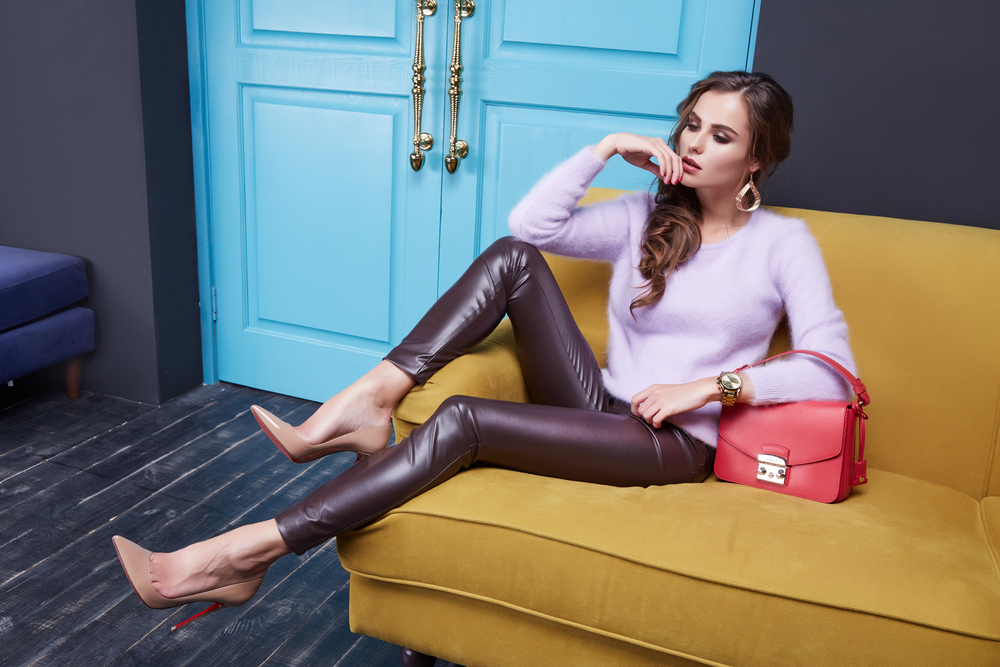
Modeling, often considered one of the most glamorous professions, holds an undeniable allure. Models captivate us on billboards, in magazines, and on our screens. Behind these stunning photoshoots lies an intricate art form, where elegance, style, and creativity meet to produce breathtaking imagery. In this article, we will dive into the world of modeling (or modelling) and unveil the secrets behind these remarkable photoshoots.
The Essence of Modeling
Modeling is more than just posing in front of the camera; it's the embodiment of a vision. Models breathe life into a concept, capturing emotions, and narrating stories through their poses and expressions. The art of modeling (by models) extends beyond physical appearance. It requires an understanding of body language, the ability to convey mood, and an instinct for creating powerful visual compositions.
Models must possess the versatility to adapt to various genres of modelling , such as fashion, editorial, commercial, or even avant-garde. Each style demands a unique set of skills and characteristics from the model.
The Photographer-Model Connection
A fundamental ingredient for a successful photoshoot lies in the collaboration between the photographer and the model. The relationship between these two crucial components is symbiotic and built on mutual understanding and trust. While photographers capture the images, it is the model's responsibility to bring their artistic vision to life.
Communication is key during a photoshoot. The photographer must effectively communicate their vision to the model, while the model must interpret and translate this vision into poses and expressions that align with the desired outcome. It's a delicate dance of creativity, where both parties work collaboratively to achieve stunning results.
The Importance of Posing
Posing is an art form that distinguishes professional models from amateurs. The skill of posing enables models to present themselves in the most flattering and captivating way possible. Contrary to popular belief, striking a pose involves much more than positioning oneself rigidly.
A successful pose is a harmonious blend of body placement, angles, and fluidity. Models must master the ability to highlight their assets while gracefully concealing any perceived flaws. This expertise in posing enhances the overall visual impact, creating photos that mesmerize and inspire.
Styling: The Power of Wardrobe and Makeup
Wardrobe and makeup play a crucial role in bringing a photoshoot to life. The right choice of clothing and accessories can transform a concept, adding another layer of depth to the images. Fashion models, for instance, are often adorned in glamorous garments that exude elegance and sophistication.
In editorial or avant-garde shoots, styling takes on a more experimental and artistic approach. Bold and unconventional ensembles, combined with extravagant makeup and hairstyles, help convey the intended message or story behind the shoot.
Lighting: Shaping the Mood
Lighting is the silent protagonist in every photoshoot. It sets the stage, shapes the mood, and accentuates the model's features. Controlling lighting is an art in itself, with photographers utilizing various techniques to achieve the desired effect.
In a fashion shoot, for instance, natural or soft lighting is often employed to enhance the model's natural beauty. In contrast, dramatic or harsh lighting might be utilized to create a more edgy and intense ambiance. The interplay between shadows and highlights can sculpt the model's physical features, creating stunning three-dimensional portraits.
Frequently Asked Questions
1. What are the essential qualities of a successful model?
A successful model possesses qualities such as versatility, the ability to take direction, confidence, and professionalism. The willingness to continuously learn and adapt also plays a crucial role.
2. Do models always have to be tall and skinny?
No, not all models have to be tall and skinny. The industry is evolving, embracing diversity and inclusivity. There is a demand for models of different body types, heights, ethnicities, and ages.
3. How do models prepare for a photoshoot?
Models prepare for a photoshoot by ensuring they have a good night's sleep, staying hydrated, and taking care of their skin and hair. They may also research the concept, practice their poses, and communicate with the photographer regarding any specific requirements.
4. Are models responsible for their own hair and makeup?
While some models may be skilled in hair and makeup, it is more common for professionals in those fields to be present on set. These professionals work closely with the models and photographers to achieve the desired look.
5. Is modeling a viable career option?
modelling (or modeling) can be a viable career option for those who have the passion, dedication, and perseverance to navigate the industry's competitive nature. It requires building a strong portfolio, networking, and working consistently to establish oneself.
The art of modeling weaves together the creative talents of the model, photographer, stylist, and makeup artist. It is a collaborative process that results in stunning photoshoots. Through posing, styling, lighting, and the chemistry between model and photographer, the magic unfolds. The next time you marvel at a captivating photograph, remember that behind it lies a world of creativity and artistry that truly deserves our admiration.
Other useful resources
- https://blog.planetmodelphoto.com/models/modeling/
- https://www.planetmodelphoto.com/models/modeling/usa/wilmington/nc-north-carolina